 469-522-7777
 sales@speedshieldusa.com
 469-522-7777sales@speedshieldusa.com
Paint protection film (PPF) shields your car's paint from chips, scratches, and environmental damage. But poor installation can turn this investment into a costly
Table of Content
Paint protection film (PPF) shields your car's paint from chips, scratches, and environmental damage. But poor installation can turn this investment into a costly nightmare.
Understanding common PPF installation mistakes helps you avoid disappointing results. Whether you're considering DIY application or hiring a professional, knowing what can go wrong saves time and money.
PPF installation requires precision, patience, and proper technique. Even small errors create visible defects that compromise the film's protective qualities.
The installation environment matters significantly. Temperature, humidity, and cleanliness all affect how well the film adheres to your vehicle's surface.
Most paint protection film mistakes happen during surface preparation or application. These errors often aren't visible immediately but become apparent days or weeks later.
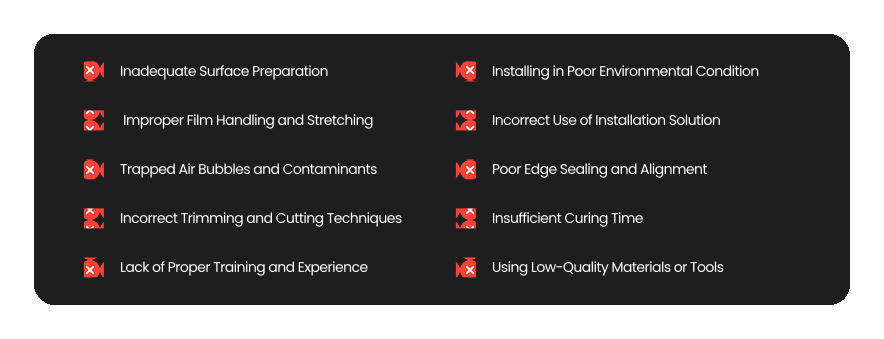
Skipping proper paint surface preparation is the most frequent PPF installation error.
Many installers rush through cleaning, leaving contaminants that prevent proper adhesion. Your paint needs more than a quick wash before PPF application.
Start with thorough car detailing before PPF. Remove all wax, polish residue, and sealants completely. These products create barriers between the film and paint.
Use a decontamination solution specifically designed for pre-installation cleaning. Iron removers and clay bars eliminate embedded contaminants regular washing misses.
Inspect the surface under bright lighting. Any remaining oils, dirt, or debris will cause film adhesion problems down the road.
The paint must be completely dry before application. Even microscopic moisture droplets create bubbles and wrinkles in PPF that won't disappear.
Installation temperature issues ruin countless PPF applications.
Cold temperatures prevent the adhesive from bonding properly. The film becomes stiff and difficult to manipulate, increasing the risk of tears and poor conformity.
Extreme heat causes premature adhesive activation. This makes repositioning nearly impossible and can lead to adhesive squeeze-out along edges.
The ideal installation environment maintains 60-80°F with controlled humidity. Outdoor installations expose the film to dust, pollen, and temperature fluctuations.
How humidity affects PPF installation is often underestimated. High humidity slows the curing and drying process, while low humidity causes the film to dry too quickly.
Wind introduces airborne particles that become trapped dust or debris under PPF. Even a slight breeze can contaminate your installation.
Professional installers use climate-controlled spaces for good reason. These environments eliminate variables that compromise installation quality.
Uneven film stretching creates distortion and stress points that lead to failure.
PPF has specific stretch limits. Exceeding them causes the film to thin, lose clarity, and develop weak spots prone to lifting or peeling edges.
Stretching must be uniform across the entire panel. Uneven tension creates areas of varying thickness that become visible after installation.
Handle the film by its edges only. Fingerprints and oils transfer easily, creating contamination during installation that appears as blemishes under certain lighting.
Never pull the film hard to make it fit. Excessive stretching seems to solve alignment issues temporarily, but the film's memory causes it to pull back later.
Use proper techniques to coax the film around curves and contours. Heat application softens the material for gentle shaping without overstretching.
Improper PPF application through aggressive stretching voids warranties. Manufacturers specify maximum stretch percentages for valid coverage.
Application fluid is crucial for positioning and adhesive activation. Using the wrong type or amount causes multiple problems.
Too much solution prevents the adhesive from bonding. The film appears installed but lifts within days as it never properly adhered.
Insufficient solution creates immediate tacking. This makes repositioning impossible and traps bubbles that can't be worked out.
The solution concentration matters greatly. Too weak, and it doesn't provide enough slip time. Too strong, and it interferes with adhesion.
Some installers use dish soap mixtures to save money. These contain ingredients that leave residue and compromise the film's clarity over time.
Professional-grade installation solutions are pH-balanced specifically for PPF adhesives. They provide optimal working time without affecting long-term bonding.
Never let installation solution dry on the film's surface. Residue creates watermarks and streaks that become permanent.
Bubbles and wrinkles in PPF are the most visible signs of poor installation.
Small air pockets occur naturally during application. Proper squeegee technique removes them before the adhesive sets.
Large bubbles indicate insufficient solution use or improper application pressure. These won't disappear on their own during the curing and drying process.
What causes bubbles in paint protection film often traces back to contaminated surfaces. Even tiny dust particles create raised areas as the film stretches over them.
Trapped debris shows as dark spots under the film. Once installed, these contaminants are permanent unless you remove and reinstall the PPF.
Hair, lint from applicator materials, and airborne particles are common culprits. Working in a clean environment is non-negotiable.
Some installers claim small bubbles will "disappear" with heat or time. While tiny micro-bubbles may dissipate, visible air pockets typically remain.
Film edges not sealed properly lead to premature failure.
Edges are the most vulnerable part of any PPF installation. Water, dirt, and wax penetrate poorly sealed edges, breaking down the adhesive bond.
Poor PPF alignment creates uneven gaps and overlaps. These look unprofessional and expose paint to the elements you're trying to protect against.
Edge lifting starts small but progressively worsens. Once the film edge begins pulling away, the problem accelerates as more area becomes exposed.
Proper edge sealing requires careful attention to adhesive activation along borders. Post-heating ensures maximum bond strength in these critical areas.
Some installers leave excessive edge gaps for easier installation. These wide margins collect dirt and make the installation obvious.
Wrapped edges that fold over panel boundaries provide superior protection. But they require precise technique to avoid wrinkles at corners.
Incorrect trimming or cutting damages both the film and your vehicle's paint.
Cutting directly on the paint with a blade leaves scratches that show after PPF application. These marks become more visible over time as dirt accumulates in the grooves.
Dull blades tear PPF rather than cutting cleanly. Ragged edges lift easily and create visible lines in the installation.
Excessive trimming leaves gaps in coverage. Conservative trimming creates overlaps that look bulky and unprofessional.
Pre-cut patterns eliminate most cutting on the vehicle. But custom installations require blade work that demands steady hands and proper tools.
Knifeless tape provides a cutting solution that protects paint. However, improper tape application creates uneven edges.
The angle and pressure of each cut affect the final appearance. Consistency throughout the installation determines the overall quality.
Rushing the post-installation process compromises everything you've worked to achieve.
PPF curing time varies by product, temperature, and humidity. Most installations need 24-48 hours before exposure to water or stress.
Driving immediately after installation stresses the film before full adhesion develops. This causes edges to lift and creates stress marks.
How long does PPF take to settle properly is typically 7-10 days for complete bonding. During this period, the film continues conforming to the paint's contours.
Washing too soon introduces water under edges that haven't fully sealed. This moisture remains trapped, preventing proper adhesion.
Professional installers provide specific curing instructions. Following them ensures your investment performs as intended.
Temperature during curing affects the final bond strength. Parking in extreme heat or cold during the first week can cause problems.
Professional vs DIY PPF installation differences become obvious in the final results.
PPF installer experience directly correlates with installation quality. Complex curves, edges, and seams require techniques learned through extensive practice.
Mistakes beginners make when applying PPF include all the errors mentioned above, often in combination.
YouTube tutorials can't replace hands-on training. Film behavior varies between brands, and each vehicle presents unique challenges.
Signs of bad PPF installation include visible edges, trapped debris, inconsistent gloss, and premature lifting. These indicate insufficient skill or care.
Professional installers invest thousands in training, tools, and workspace setup. This expertise ensures installations that last the full warranty period.
DIY attempts save money upfront but often require professional PPF replacement or reinstallation. The total cost exceeds hiring an expert initially.
Cheap PPF and improvised tools guarantee disappointing results.
Quality differences between film brands are significant. Budget films lack the clarity, self-healing properties, and adhesive performance of premium options.
Tools needed for smooth PPF application include proper squeegees, heat guns, cutting instruments, and cleaning supplies. Using substitutes introduces variables that complicate installation.
Is heat gun necessary for PPF application? Absolutely. Proper heat tools activate adhesives, allow complex curves to be formed, and eliminate tension in the film.
Some installers use household hair dryers. These lack the consistent temperature and airflow control needed for professional results.
Quality installation solution, microfiber materials, and precision cutting tools aren't expensive relative to the total investment. Skimping here makes no financial sense.
The best practices for PPF installation always include using manufacturer-recommended products and tools. Deviating from specifications voids warranties and compromises performance.
Visible defects appear immediately or develop within weeks of bad installations.
Orange peel texture under the film indicates improper surface preparation or contamination. The PPF amplifies existing paint imperfections.
Inconsistent gloss levels across panels suggest uneven application solution use or contaminated tools. The film should match your paint's factory appearance perfectly.
Film lifting or peeling edges typically begin at high-stress areas like door handles, mirrors, and panel gaps. These should remain sealed for years.
Why does PPF peel off after installation usually traces to surface preparation failures or improper adhesive activation.
Discoloration or yellowing within months indicates low-quality film or excessive heat during installation. Premium PPF maintains clarity for years.
Check how light reflects off the surface. Distortion, waves, or ripples reveal improper film tension or stretching.
Proper care extends your PPF's life and maintains its appearance.
Wait the full recommended cure time before washing. This ensures complete adhesive bonding.
Use pH-neutral car wash products. Harsh chemicals damage the film's protective topcoat.
Avoid automatic car washes initially. Brushes and high pressure can catch film edges during the first month.
Regular maintenance after PPF application includes gentle cleaning and inspection of edges. Address any lifting immediately before it spreads.
The film requires different care than bare paint. Waxes and sealants formulated for PPF enhance its hydrophobic properties without affecting clarity.
The decision between professional and DIY installation depends on your skill level and expectations.
Simple applications like headlight or mirror coverage are manageable DIY projects. Full front-end or vehicle wrap installations demand professional expertise.
Does dust affect PPF adhesion? Significantly. Without a professional PPF installation environment, eliminating contamination becomes nearly impossible.
Can you reuse PPF after removing it? No. The adhesive is single-use, and removal stretches the film permanently.
How to fix paint protection film mistakes is often impossible without complete removal and reinstallation. Prevention through proper technique is essential.
Research prevents expensive disappointments.
Ask to see previous work in person. Photos can hide defects visible in real life.
Inquire about workspace conditions. Proper facilities indicate serious professionalism.
Discuss the products they use. Reputable installers use recognized premium brands with strong warranties.
Understand the warranty coverage. What's included? What voids it? How long does it last?
Common reasons for PPF lifting often result from cutting corners. Premium pricing reflects quality materials,
proper conditions, and experienced application.
Dallas vehicle owners seeking professional PPF installation can rely on Speed Shield for exceptional results.
As a top-rated PPF installer in Dallas, Speed Shield combines expert craftsmanship with climate-controlled facilities. Their experienced technicians understand the nuances of proper surface preparation, precise application, and thorough quality control.
Speed Shield uses premium paint protection film brands and follows manufacturer specifications exactly. Their attention to detail ensures installations free from the common mistakes that plague budget providers.
Every installation includes proper curing protocols and comprehensive aftercare instructions. Your vehicle receives the protection it deserves without the defects that compromise inferior installations.
Don't risk your investment with inexperienced installers. Choose Speed Shield for PPF installation that looks invisible and lasts for years.
Paint protection film installation mistakes turn valuable protection into frustrating problems. Understanding these common errors helps you avoid them in DIY projects or recognize quality when hiring professionals.
Surface preparation, environmental control, proper technique, and adequate curing time are non-negotiable for successful installations. Rushing any step or using inadequate materials guarantees disappointing results.
Whether protecting a daily driver or preserving a collector vehicle, PPF only works when installed correctly. The difference between excellent and poor installation is attention to detail at every stage.
Common PPF installation mistakes include poor surface preparation, trapped dust or debris, uneven film stretching, improper alignment, and failing to seal edges properly. These errors can lead to bubbles, peeling, or reduced film longevity.
Bubbles or wrinkles often occur due to trapped air, uneven squeegee pressure, or incorrect application temperature. Proper technique and using a clean, smooth surface can help ensure a bubble-free finish.
Dust or debris under the film creates visible imperfections and weakens adhesion. Cleaning and decontaminating the paint thoroughly before applying PPF is essential for a flawless, long-lasting result.
PPF edges usually lift when the surface wasn’t fully clean, the film was overstretched, or edges weren’t sealed properly. Using heat to activate adhesion and applying edge sealant can prevent peeling.
Surface preparation is crucial — any residue, wax, or dirt can prevent proper bonding. A clean, polished surface ensures better adhesion and a smoother finish for the paint protection film.
Yes, extreme temperature or humidity can affect film flexibility and adhesive performance. PPF should ideally be installed in a climate-controlled environment to ensure proper curing and bonding.
Signs of poor installation include visible seams, trapped bubbles, misaligned edges, and peeling corners. A professional PPF application should look smooth, invisible, and perfectly aligned.
Small bubbles may disappear as the film cures, but larger ones often need to be carefully punctured and smoothed with heat. For deep wrinkles, partial reinstallation might be necessary.
While DIY kits exist, professional installation ensures correct surface prep, alignment, and film handling. Professionals use specialized tools and controlled environments to achieve a perfect finish.
Overstretching weakens the film’s structure, while improper trimming can leave exposed edges prone to lifting. Accurate stretching and clean cuts are key to maintaining long-term PPF durability.
Curing allows the adhesive to fully bond to the paint surface. Rushing this process can lead to peeling, water spots, or reduced protection performance.
Yes, many manufacturers require professional installation for warranty coverage. Mistakes like poor surface prep or improper alignment can void warranty protection.
Install PPF in a dust-free, enclosed area and use lint-free towels, clean water, and filtered air to reduce the chance of particles getting trapped under the film.
Key tools include a squeegee, spray solution, heat gun, microfiber cloths, and precision blades. These help ensure proper alignment, adhesion, and a smooth, bubble-free finish.
Typically, PPF takes about 24 to 48 hours to cure under normal conditions. In colder or more humid environments, curing may take several days to complete fully.
Recent Blogs
Ready to Start Your Custom Car Transformation?
From personalized consultations to flawless installations, we’ll help you bring your vision to life with unmatched precision and care.

Speed Shield USA
Driven by Precision. Built for Protection.We specialize in high-end car customization, paint protection, and detailing services that elevate your vehicle's look and longevity.
Quick Links
Services
Get in Touch

15177 Business Ave Addison, TX 75001

469-522-7777

sales@speedshieldusa.com

Mon - Fri: 8AM - 5PM


